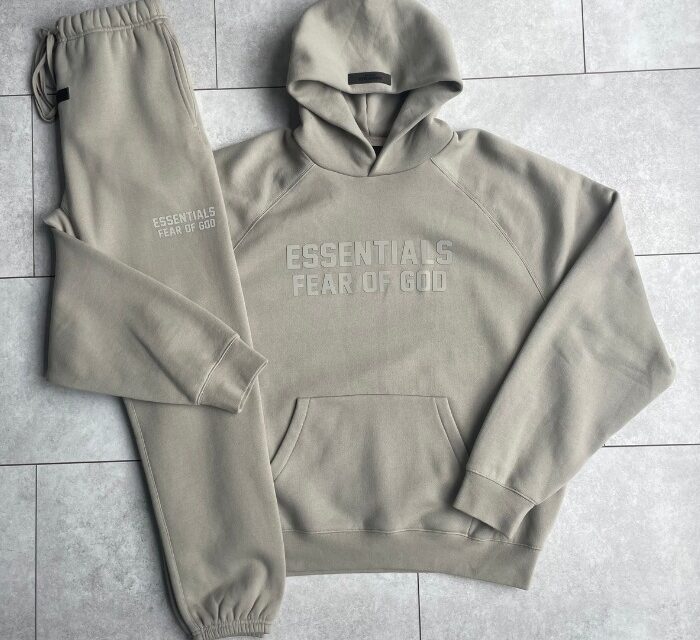
Building a professional wardrobe doesn’t have to be overwhelming. A well-curated collection of versatile, high-quality pieces can help you look polished, confident, and essentials clothing appropriate for a variety of business settings. Whether you’re just starting your career, attending meetings, or climbing the corporate ladder, understanding the essential wardrobe basics is key to making a good impression and feeling comfortable in your work environment.
1. The Importance of a Business Wardrobe
Your wardrobe is more than just clothing; it’s a reflection of your professionalism, attention to detail, and respect for your workplace. A thoughtfully assembled business wardrobe allows you to dress appropriately for different occasions, from client meetings to casual Fridays, without the stress of last-minute outfit dilemmas. Investing in timeless, versatile pieces ensures you can mix and match easily, maximizing your wardrobe’s functionality.
2. Core Principles of a Business Wardrobe
Before diving into specific items, keep these principles in mind:
- Fit is everything: Clothes should fit well—neither too tight nor too loose. Tailoring can elevate even basic pieces.
- Quality over quantity: Select quality fabrics and construction for durability and a polished look.
- Neutral colors: Base your wardrobe on neutral shades like black, navy, gray, beige, and white, which are easy to mix and match.
- Simplicity and professionalism: Avoid overly flashy accessories or trendy items that won’t withstand the test of time.
- Comfort: Ensure your clothing allows you to move comfortably and feel confident throughout your day.
3. Essential Clothing Pieces
Suits
A well-fitted suit is a cornerstone of a business wardrobe. For most workplaces, having at least one or two suits in neutral colors such as navy, black, or charcoal gray is advisable. These can be worn separately or together, providing maximum versatility.
- Blazer: A tailored blazer can be paired with trousers or skirts. It’s essential for layering and adds structure to your outfit.
- Trousers: Straight-leg or slightly tapered trousers in neutral shades are professional and easy to coordinate.
- Skirts: Pencil skirts in neutral colors are classic and suitable for many business environments.
- Suit separates: Investing in blazer and trousers or skirt separates allows for mix-and-match options.
Shirts and Blouses
Crisp, well-fitted shirts and blouses form the foundation of your work wardrobe.
- Button-down shirts: White, light blue, or pastel shades are versatile. Opt for high-quality fabrics like cotton.
- Blouses: Silk or polyester-blend blouses in neutral or subtle prints add variety.
- Long-sleeve and short-sleeve options: Have both for seasonal flexibility.
Tops and Layers
Layering adds versatility and comfort.
- Cardigans and sweaters: Neutral-colored, fitted options can be worn over blouses or shirts.
- Blazers: As mentioned, they’re essential for a polished look.
- Vests: Can add sophistication or warmth depending on the climate.
Dresses
A simple, tailored dress in a solid color or subtle pattern can be an excellent all-in-one outfit. Choose styles that are modest and professional, such as sheath dresses or A-line cuts.
4. Bottoms and Skirts
In addition to trousers and skirts, consider these options:
- Dress pants: Classic styles in wool or polyester blends.
- Knee-length skirts: Pencil or A-line skirts in neutral shades work well.
- Dressy chinos or trousers: For business casual settings, these can be comfortable yet professional.
5. Footwear Essentials
Shoes should be comfortable, stylish, and appropriate for the workplace.
- Black or nude pumps: Classic and versatile, suitable for most office environments.
- Loafers or flats: For comfort during long days, especially in more casual workplaces.
- Ankle boots: Appropriate in colder months.
- Dress boots: In colder climates, a polished pair of dress boots can complete your look.
Avoid overly casual shoes like sneakers or sandals unless your workplace permits it.
6. Accessories and Finishing Touches
Accessories can elevate your business wardrobe without overdoing it.
- Belts: A simple leather belt in black or brown.
- Ties: For men, a few classic silk ties in muted patterns.
- Jewelry: Keep it minimal—stud earrings, a watch, and a simple necklace.
- Bags: Structured handbags or briefcases in neutral colors.
- Scarves: A silk scarf can add a pop of color and personality.
7. Seasonal and Climate Considerations
Your wardrobe should adapt to the seasons:
- Summer: Light fabrics like linen or cotton; open-toe shoes if permitted.
- Winter: Layer with sweaters, thermal undershirts, and coats. Invest in a quality overcoat.
- Rainy seasons: Waterproof shoes and an umbrella are essentials.
8. Building Your Wardrobe Over Time
Start with the basics and expand gradually. Focus on quality pieces that can be worn in multiple combinations. Over time, add seasonal items or trend pieces sparingly, ensuring they align with your professional image.
9. Maintenance and Care
To prolong the life of your wardrobe:
- Regularly clean and press your clothes.
- Store items properly to avoid wrinkles and damage.
- Replace worn-out shoes and damaged garments promptly.
10. Final Tips
- Invest in tailoring: Custom-fitted clothing enhances your appearance.
- Stick to your dress code: Understand your workplace’s dress expectations.
- Plan outfits ahead: Save time and reduce stress by organizing your weekly wardrobe.
- Be authentic: Wear what makes you feel confident and professional.
In summary, a business wardrobe should consist Essential Hoodie of versatile, well-fitting, and quality pieces that reflect professionalism and suit your workplace environment. Starting with essentials like tailored suits, crisp shirts, neutral trousers, and classic footwear allows you to create numerous polished outfits. Over time, incorporate accessories and seasonal items to keep your wardrobe fresh. By investing thoughtfully in your wardrobe basics, you’ll be prepared for any professional occasion and project confidence in your career.